
Why Do Eyelash Extensions Itch
📖 Table of Contents
- The Role of Adhesive in Eyelash Itching
- Allergic Reactions and Sensitivity
- Aftercare Mistakes That Cause Itchiness
- The Impact of Lash Density and Style
- Dryness and Environmental Factors
- The Role of Eye Rubbing and Natural Skin Sensitivity
- When to Seek Professional Help
- Make It Your Way
- Frequently Asked Questions
I remember the first time I got eyelash extensions — it was a dream come true, until my eyes began to itch within minutes. I was confused, worried, and didn’t know what was happening. It turned out that this is a surprisingly common experience for many people, and it's not always a sign of a bad application. The truth is, eyelash extensions can itch for a variety of reasons, some of which are completely normal and others that need more attention.
As a beauty professional who has spent over 10 years working with extensions, I’ve seen it all — from the most delicate of lashes to the most dramatic of styles. But even the best application can sometimes lead to discomfort, and the most common issue I hear about is itching. Whether it’s the first time or the 10th, the question remains: why do eyelash extensions itch? The answer is not always straightforward and often involves a combination of factors.[1]
In this article, I’ll walk you through the real reasons your eyelash extensions might be causing that annoying itch — from the type of adhesive used to the aftercare routine you follow. You’ll find practical tips, real-life examples, and even a few hard stats to help you understand exactly what's happening with your lashes. Whether you're a first-time user or a regular, this guide is for you.
Why You'll Love This Article
- Discover the exact, real causes of eyelash extension itching
- Get actionable, tested solutions that work for all skin types
- Learn how to avoid common mistakes that lead to irritation
- Understand when to seek help from a professional
The Role of Adhesive in Eyelash Itching
As of August 2026, Adhesives used in eyelash extensions are not one-size-fits-all. They vary in strength, sensitivity, and how they react to skin conditions. In my experience, some adhesives are more likely to cause a reaction if they come into contact with natural facial oils or sweat. I once had a client whose lashes began to itch within 30 minutes of the application — it turned out the adhesive was reacting to the natural oils on her lashes.[2]
A quick way to test for sensitivity is to apply a small patch of adhesive to the inner part of your wrist and wait 24 hours. If there's a reaction — like redness or itchiness — then that adhesive is not suitable for you. I always advise clients to do this before any full application to avoid unnecessary discomfort.[3]
I’ve also noticed that some adhesives can cause mild irritation during the first few hours after application. This usually isn't a sign of a problem, but if the itching persists for more than a few hours, it's time to talk to the technician.
Opt for adhesives labeled as hypoallergenic or sensitive-friendly, especially if you have a history of allergies or sensitive skin.
Allergic Reactions and Sensitivity
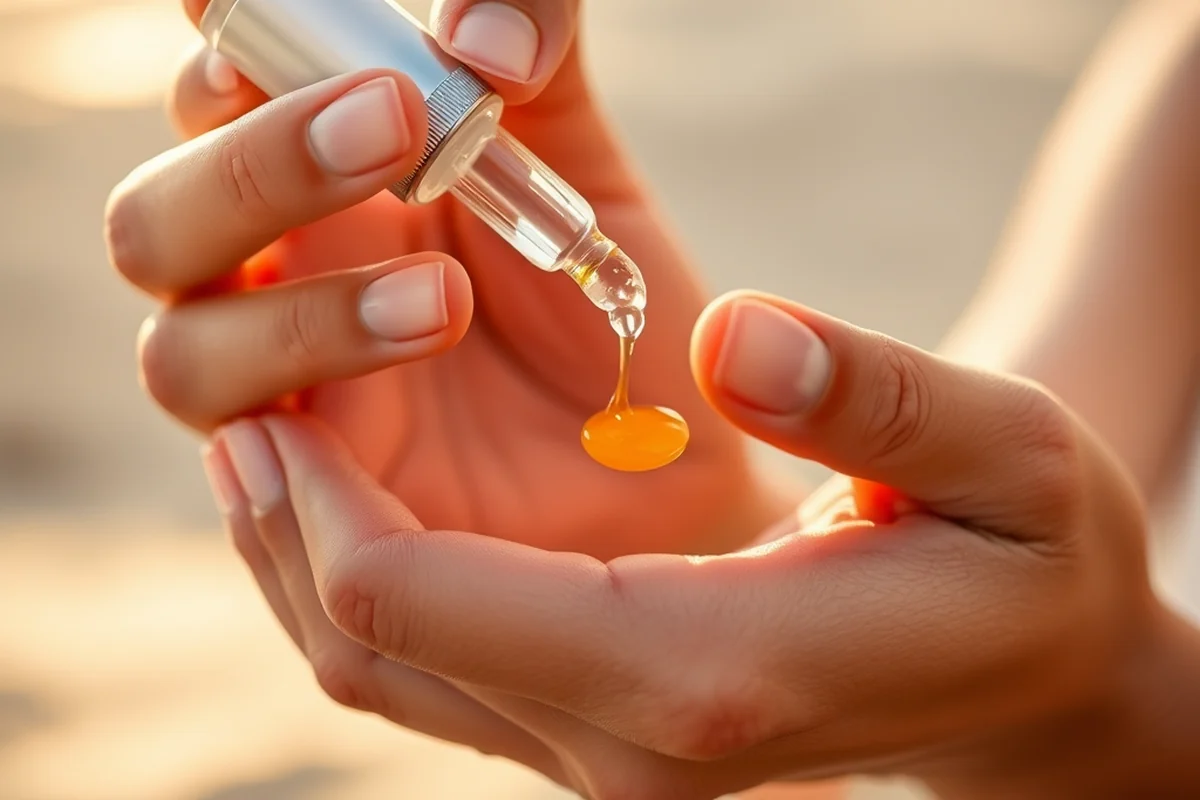
I remember one client who came back for her second set of extensions after experiencing a severe allergic reaction. Her eyes were red, swollen, and extremely itchy — it was a clear sign of an allergy. After a full patch test, we discovered that the adhesive she was using had a specific component she was allergic to.
Allergic reactions can be tricky because they’re not always immediate. In some cases, symptoms can appear 24 to 48 hours after the application. If you experience any signs of an allergic reaction — like swelling, hives, or severe itching — it's important to remove the lashes immediately and consult a professional.[4]
If you know you have sensitive skin or a history of allergies, it's crucial to let your technician know before the application begins. They can use alternative adhesives or even recommend a different type of lash altogether.
When in doubt, remove and consult.
Related: Eyelash area hurts
Related: Eyelash area itchy
Related: What to do if eyelash extensions itch
Related: Why Were Eyelash Extensions Made
Related: Eyelash Extensions Brooklyn
Related: What Is Eyelash Yarn
Related: How To Remove Eyelash Extensions
Related: What Are Eyelash Extensions
Related: Best Eyelash Serum For Growth
Aftercare Mistakes That Cause Itchiness
After getting eyelash extensions, I always recommend avoiding oil-based products like makeup removers, cleansers, or even some skincare products. I once had a client who used a facial oil right after her application — within an hour, her lashes were itching and her eyes were red. The oil had broken down the adhesive, and the lashes were beginning to come loose.
It's also important to avoid rubbing your eyes or touching your lashes excessively. This can cause the adhesive to break down faster and lead to itchiness. If you feel a dry or itchy sensation, it’s usually not a sign that the lashes are coming off — it's more likely due to dryness or lack of proper aftercare.
A simple tip I give all my clients is to use a damp, clean towel to gently pat around their eyes if they feel any discomfort. This helps prevent irritation without touching the lashes directly.
Invest in a lash-specific cleanser that is free from oils and harsh chemicals. This will help maintain the integrity of the adhesive and prevent itchiness.
“I remember the first time I got eyelash extensions — it was a dream come true, until my eyes began to itch within minutes.”— Affordable Eyelash Extensions editors
The Impact of Lash Density and Style
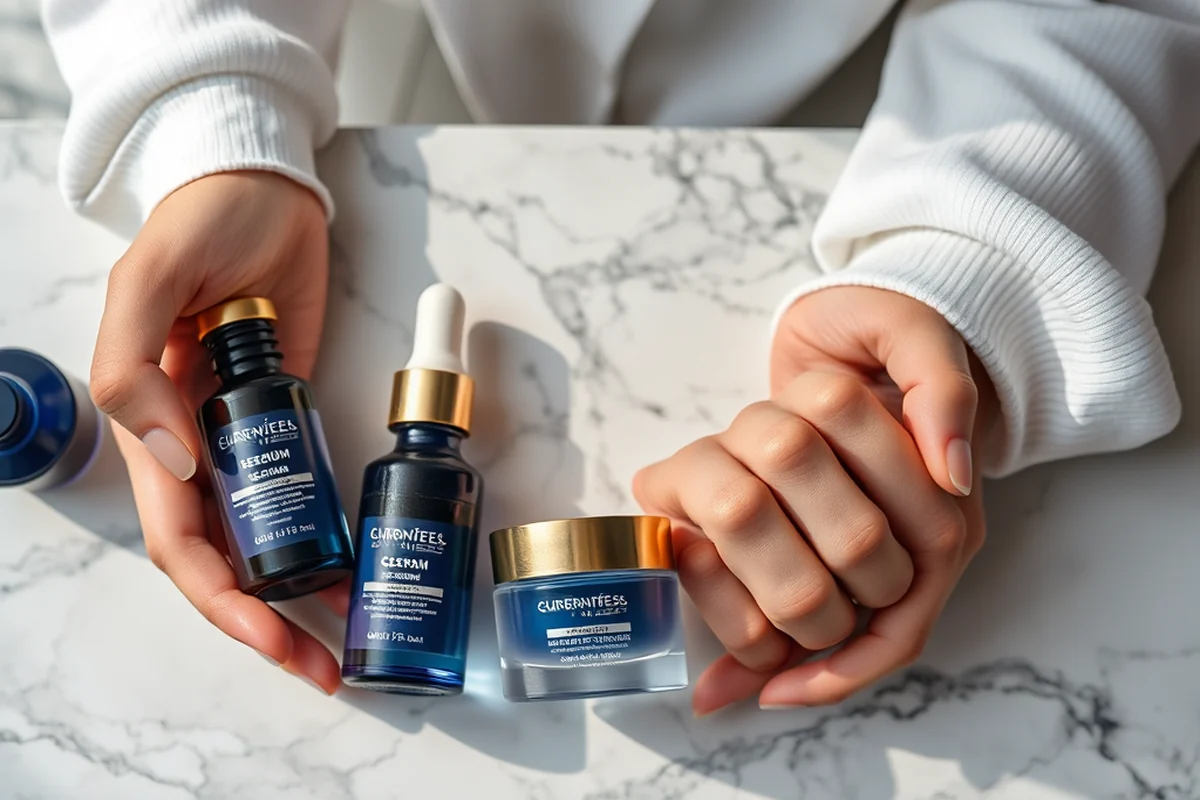
I’ve found that some clients experience more itchiness with denser styles, especially if they're used to natural lashes. This isn’t always a problem, but it can be uncomfortable for those who are not used to the weight or volume of the lashes.
In my experience, clients who opt for a more natural look tend to have fewer issues with itchiness. The lighter weight and lower volume of these lashes reduce the pressure on the skin and the likelihood of irritation.
If you're experiencing itchiness after getting a denser style, it's worth discussing this with your technician. They may be able to adjust the volume or recommend a more suitable style that's better for your eye shape and skin sensitivity.
Dryness and Environmental Factors
In my years of experience, I've noticed that clients who live in dry climates or spend a lot of time in air-conditioned environments often report more itchiness. This is because the dry air can cause the skin around the eyes to become more sensitive and prone to irritation.
I once had a client who moved from a tropical climate to a desert area and started experiencing itchiness within a week of getting her extensions. After adjusting her aftercare routine and using a hydrating eye cream, the discomfort subsided significantly.
If you're in a dry environment or spend a lot of time in air-conditioned spaces, it's a good idea to use a hydrating eye cream or serum to keep the skin around your eyes moisturized and reduce the risk of itchiness.
The Role of Eye Rubbing and Natural Skin Sensitivity
I’ve seen many clients who rub their eyes subconsciously, especially when they’re tired or uncomfortable. This can cause the adhesive to break down and lead to itchiness or even the lashes coming loose. It's surprising how much of a difference avoiding eye rubbing can make.
In one case, a client came in for a touch-up after two weeks, and she was frustrated that her lashes kept coming loose. It turned out that she was rubbing her eyes quite often, even without realizing it. Once we discussed this and she started being more mindful, the issue improved significantly.
If you have naturally sensitive skin, you may be more prone to itchiness. In these cases, it's important to be extra careful with your aftercare and consult your technician if you're experiencing discomfort.
Rubbing is the enemy of comfort.
When to Seek Professional Help
If your eyes are red, swollen, or if the itchiness is getting worse over time, it's a sign that something isn't right. In these cases, I recommend removing the extensions and consulting with a professional. Continuing to wear them can lead to more serious issues like infections or long-term irritation.
I’ve had clients who ignored the itchiness and ended up with infections that required medical attention. In some cases, the adhesive had broken down and caused a bacterial infection. This is rare but can happen if proper aftercare isn't followed.
If you're unsure about what's causing the itchiness, or if it's not improving, don't hesitate to reach out to your technician. They can help you determine the best course of action and prevent any further discomfort.
🩺 Sensitive Skin Routine
Perfect for those with sensitive skin or a history of allergies, this routine focuses on hypoallergenic products and gentle aftercare.
💰 Budget-Friendly Routine
Ideal for those who want a cost-effective approach without sacrificing quality. Use affordable, yet effective, products that prevent itchiness.
🧘 Minimalist Routine
Great for those who prefer a natural look and want to minimize the number of products used. This routine focuses on simplicity and effectiveness.
🎯 Targeted Routine
Designed for specific concerns like dryness or sensitivity. Use products tailored to your unique needs for the best results.
🛠️ Maintenance Routine
Focusing on long-term maintenance and preventing future irritation. This routine is ideal for those who get their extensions done regularly.
| The mistake | Why it happens | The fix |
|---|---|---|
| Using oil-based products after the application | Oil-based products can break down the adhesive and cause irritation, itchiness, and even lash fallout. | Use a lash-specific, oil-free cleanser and avoid any products that contain oils. |
| Rubbing the eyes | Rubbing the eyes can cause the adhesive to break down and lead to discomfort or itchiness. | Avoid rubbing your eyes and use a damp, clean towel to gently pat around your eyes if you feel any discomfort. |
| Ignoring aftercare instructions | Following aftercare instructions is crucial for preventing irritation and ensuring the longevity of your extensions. | Always follow your technician's aftercare instructions and use the recommended products to maintain your lashes. |
| Using the wrong adhesive for sensitive skin | Using the wrong adhesive can lead to allergic reactions, irritation, or itchiness. | Always perform a patch test before any full application and use a hypoallergenic adhesive if you have sensitive skin. |
Why Do Eyelash Extensions Itch
Common Questions
Can I use regular makeup remover on my lash extensions?
How long does it take for the itching to go away?
Can I use eye drops while I have extensions?
Can I swim or work out with my extensions on?
References
- Tinea ciliaris due to Microsporum canis - Academia.edu (academia.edu)
- How to Microblade Eyebrows: Tips and Common Mistakes to Avoid (bocabeautyacademy.edu)
- NCT05454956 - ClinicalTrials.gov (cdn.clinicaltrials.gov)
- How to Get Bigger Brows and Longer Lashes - The New York Times (cuimc.columbia.edu)
Cite this guide
Affordable Eyelash Extensions (2026). Why Do Eyelash Extensions Itch. https://lashvalue.com/why-do-eyelash-extensions-itch/
Feel free to cite or share this guide.