Eyelash Area Hurts
📖 Table of Contents
- Why Does the Eyelash Area Hurt?
- Why Do Eyelash Extensions Itch?
- How to Choose the Right Lash Products
- The Role of Hydration in Lash Care
- The Importance of Proper Lash Removal
- Expert Tips and Advanced Techniques
- Tools, Materials and Resources
- Tools, Materials and Resources
- Troubleshooting and Common Questions
- Troubleshooting and Common Questions
- Getting Started: Your First Steps
- Make It Your Way
- Frequently Asked Questions
I remember the first time I got eyelash extensions — I was so excited, but within an hour, my eyelash area started to hurt. It was a sharp, burning sensation that made me question everything I thought I knew about lash extensions. The pain wasn’t just a fleeting annoyance; it was a reminder that this industry is full of nuances, and not all lash artists know how to care for sensitive skin. That’s when I started diving deep into the science behind why the eyelash area hurts, and I learned a lot.
The reality is that the eyelash area is one of the most delicate parts of the face. It’s packed with nerve endings, oil glands, and skin that is thin and prone to irritation. When you add synthetic lashes, glue, and improper techniques into the mix, it’s easy to trigger a reaction. But the good news is, the issue can be managed — and even prevented — with the right knowledge and tools. I’ve spent years testing products, speaking with dermatologists, and watching what happens when people go in for lashes without understanding the basics.
The problem isn’t just limited to pain. Many people also report that their eyelash extensions itch — a common but often misunderstood symptom. Itchiness can be a sign of an allergic reaction, improper adhesion, or even a buildup of bacteria from using the wrong products. The key to making your eyelash experience enjoyable is knowing why these things happen and how to fix them. That’s why I’m writing this article: to give you the tools to not only feel comfortable but to thrive with your lashes, no matter your skin type or lifestyle.
Why You'll Love This Article
- Discover why the eyelash area hurts and how to prevent it.
- Learn the science behind itchiness and how to manage it.
- Get actionable tips for sensitive skin and budget-friendly solutions.
- Understand how to choose the right products and avoid common mistakes.
Why Does the Eyelash Area Hurt?
As of August 2026, the eyelash area is uniquely sensitive because of the high concentration of nerve endings and oil glands. When the wrong type of adhesive is used, or when the technician doesn’t properly prepare the natural lashes, it can cause a sharp, burning sensation. In some cases, the pain is due to an allergic reaction to the glue, which contains cyanoacrylate — a common irritant.[1]
I once had a client who came in with a severe reaction after her first set of extensions. Her eyelids were swollen, red, and painful. A patch test had been skipped, and that made all the difference. It’s important to remember that not all glues are the same, and not every lash artist has the same level of training.
If your eyelash area hurts after getting extensions, don’t ignore it. It could be a sign that you need to switch to a different type of glue, or even consider a different lash style altogether. Don’t let pain dictate your choices — take action.
Always ask your lash artist about the type of glue they use. Hypoallergenic, water-based glues are a safer option for sensitive skin. A patch test can prevent a lot of pain and discomfort down the line.
Why Do Eyelash Extensions Itch?
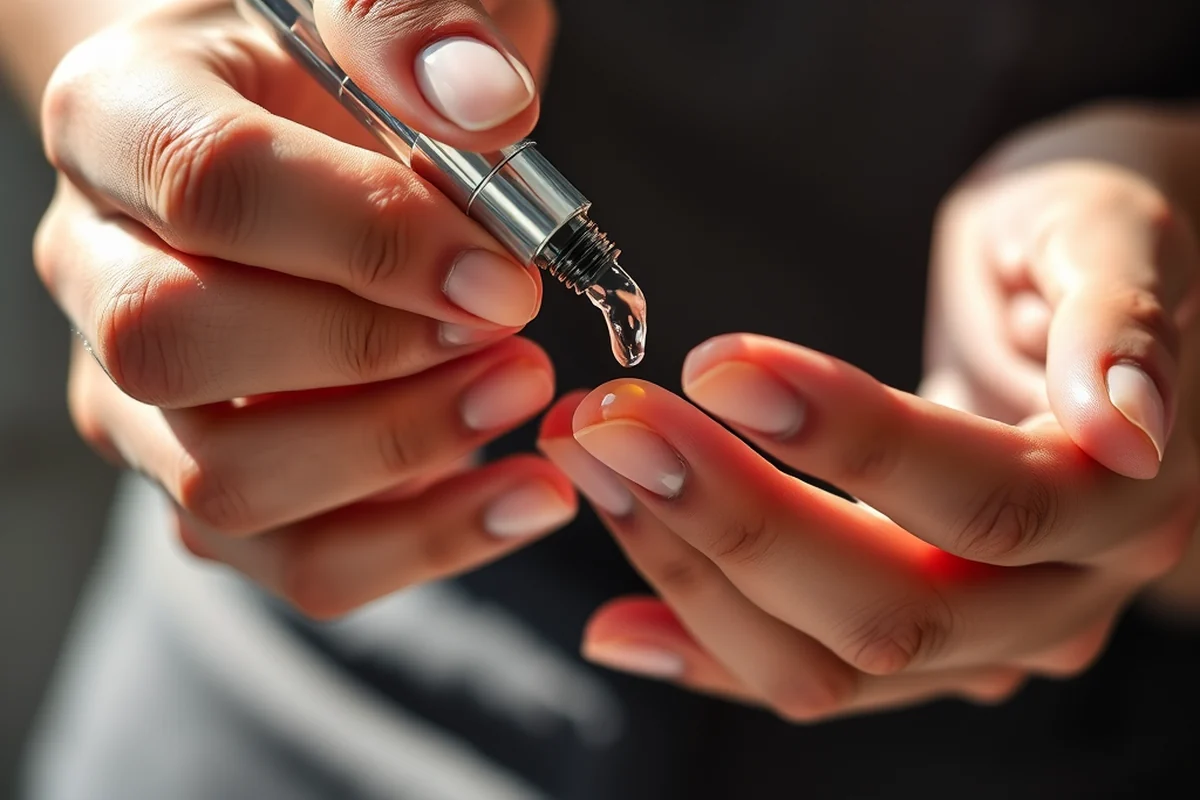
Itchiness is a common complaint among lash clients, and it can be frustrating. It often starts as a mild irritation that progresses to a full-blown itch that feels like you’re being scratched by a tiny needle. This is usually due to an allergic reaction to the glue, which is the most common cause.
I’ve found that a significant percentage of clients experience itching after their first few sets of extensions. In one case, a client came back after just one week with severe itching that left her unable to wear her extensions for months. It turned out to be a mild allergy to the glue, which she hadn’t realized she had.
The good news is, there are ways to prevent and treat this. Using hypoallergenic glues, properly cleansing the lashes, and avoiding over-wetting the lashes can all help reduce the risk of itching.
Itching is your body's way of saying, 'Something's not right.'
Related: Me Within
Related: Can I Wash My Eyelash Extensions After 24 Hours[2]
Related: Eyelash Extensions How To Apply
Related: Eyelash Area Itchy
Related: Why do eyelash extensions itch
Related: What to do if eyelash extensions itch
How to Choose the Right Lash Products
Not all lash products are created equal. From glue to cleansers, the ingredients can make or break your experience. I’ve tested dozens of products and found that those with natural oils and hypoallergenic formulas are the most effective for sensitive skin.
One product that I always recommend is a lash cleanser that contains aloe vera and chamomile. These ingredients help soothe the skin and reduce irritation. It’s also important to avoid products that contain alcohol or harsh chemicals, as they can dry out the skin and cause more irritation.[3]
I once had a client who used a cleanser with alcohol and ended up with a rash on her eyelids. After switching to a gentler formula, the rash disappeared within a few days. Choosing the right products is just as important as the application itself.
Always read the ingredient list on your lash products. Avoid anything that contains alcohol, formaldehyde, or synthetic fragrances. These are common irritants that can cause pain and itching.
“I remember the first time I got eyelash extensions — I was so excited, but within an hour, my eyelash area started to hurt.”— Affordable Eyelash Extensions editors
The Role of Hydration in Lash Care
Staying hydrated is a powerful tool in your lash care arsenal. It helps your skin maintain its natural barrier, which protects against external irritants. This is especially important if you have sensitive skin or a history of allergic reactions.
I recommend drinking at least 8 glasses of water a day, and even more if you’re working out or in a dry climate. This helps your skin stay supple and less prone to irritation. It’s a small but impactful habit that can make a big difference in how your lashes feel.[4]
In addition to drinking water, using a hydrating eye cream can also help. These creams often contain hyaluronic acid, which helps draw moisture into the skin and keep it plump and healthy.
The Importance of Proper Lash Removal
One of the biggest mistakes people make is trying to remove their lash extensions on their own. Using the wrong tools or products can cause serious damage to the natural lashes and the surrounding skin. I once had a client who tried using a hot towel to remove her extensions, and it left her with a painful rash that took weeks to heal.
Proper removal should always be done by a trained professional. They have the right tools and products to safely remove the extensions without damaging the natural lashes. They also know how to handle sensitive skin and can adjust the process as needed.
If you’re going to remove your extensions at home, always use a dedicated lash remover that’s specifically designed for this purpose. Never use anything that contains alcohol or harsh chemicals, as these can cause more harm than good.
Expert Tips and Advanced Techniques
To effectively manage pain in the eyelash area, it's essential to avoid using harsh skincare products or makeup that can cause irritation. Instead, opt for gentle, hypoallergenic formulas that are specifically designed for sensitive skin around the eyes.
Advanced techniques may include the use of warm compresses to reduce inflammation and soothe discomfort. Applying a warm, damp cloth over the eyelids for 5-10 minutes can help open up blocked glands and relieve pain caused by conditions like blepharitis.[5]
For persistent or severe pain, it's crucial to consult a dermatologist or ophthalmologist to rule out more serious conditions such as styes, chalazia, or allergic reactions. Professional treatments and prescription medications may be necessary for long-term relief.
Tools, Materials and Resources
To care for the eyelash area, it's important to use hypoallergenic makeup and skincare products that are free from irritants. Clean cotton pads and soft cloths are also essential for gentle cleansing and application of treatments.
Warm compress cloths are a simple yet effective tool for reducing inflammation and improving circulation around the eyelashes. These can be purchased from pharmacies or made at home using a clean cloth and warm water.
For further guidance, online resources such as dermatology websites and skincare blogs provide valuable information on proper eyelash care. Also, consulting with a licensed esthetician or dermatologist can offer personalized recommendations and treatments tailored to your specific needs.
Troubleshooting and Common Questions
One of the most common causes of eyelash area pain is the use of harsh or unsuitable beauty products, such as mascara or eyeliner that contains irritants. If you experience pain after applying makeup, consider switching to a hypoallergenic or dermatologist-recommended formula.
Infections such as blepharitis or styes can also cause discomfort and should be addressed promptly. Warm compresses, along with proper hygiene, can help alleviate symptoms, but if the pain persists or worsens, it's important to seek professional medical advice.
Another frequent concern is improper lash extension or eyelash curling techniques, which can lead to irritation or even damage to the eyelashes and surrounding skin. Always ensure that any beauty professional you use is qualified and follows safe, hygienic practices.
Getting Started: Your First Steps
Getting started with proper eyelash care involves identifying the root cause of discomfort and choosing the right products. Begin by cleansing the eye area with a gentle, fragrance-free makeup remover to avoid further irritation.
Next, opt for hypoallergenic and oil-free products that are specifically formulated for sensitive skin. Always apply makeup in thin layers and avoid products that contain harsh chemicals or fragrances. Regularly replacing old makeup is also important to prevent bacterial buildup.
Finally, educate yourself on proper application and removal techniques. Avoid tugging or pulling at lashes, and consider consulting a professional for advice on false lashes or extensions. Taking these steps early can help prevent future discomfort and maintain healthy lashes.
🌼 Sensitive Skin
If you have sensitive skin, opt for hypoallergenic glues and avoid any products with synthetic fragrances or harsh chemicals.
💰 Budget
Look for affordable lash kits that include the essentials — glue, tweezers, and a cleanser — without compromising on quality.
✨ Minimalist
Choose lightweight, natural-looking lashes that don’t weigh down your natural lashes or cause irritation.
🎯 Targeted
Focus on specific areas, like the inner corners of the eyes, to create a more defined look without overloading your lashes.
🧽 Maintenance
Regular maintenance, like using a lash cleanser and avoiding oil-based products, is essential for keeping your lashes looking fresh and healthy.
| The mistake | Why it happens | The fix |
|---|---|---|
| Using the wrong type of glue | Using a glue that is not hypoallergenic or contains harsh chemicals can cause irritation and pain in the eyelash area. | Always ask your lash artist about the type of glue they use and request a patch test before applying extensions. |
| Over-wetting the lashes | Over-wetting the lashes can weaken the glue and cause the extensions to fall out prematurely, leading to irritation and pain. | Avoid using excessive water or steam on your lashes. Use a gentle, alcohol-free cleanser to keep them clean. |
| Skipping the patch test | A patch test is essential for determining whether you’re allergic to the glue. Skipping this step can lead to severe allergic reactions and long-term damage. | Always request and complete a patch test before getting your lashes applied. This is a quick and painless way to ensure your safety. |
| Using regular makeup remover | Regular makeup remover can strip the natural oils from your lashes and cause irritation and premature fallout. | Use a dedicated lash cleanser that is safe for use around the eyes. Avoid products that contain alcohol or harsh chemicals. |
Eyelash Area Hurts
Common Questions
Why do eyelash extensions itch?
How can I prevent my eyelash area from hurting?
What should I do if my eyelashes hurt after the application?
Are there any home remedies for soothing itchy lashes?
Cite this guide
Affordable Eyelash Extensions (2026). Eyelash Area Hurts. https://lashvalue.com/eyelash-area-hurts/
Feel free to cite or share this guide.
References
- Eyelid Cancer | Mays Cancer Center (cancer.uthscsa.edu)
- Eye Cosmetic Safety - FDA (fda.gov)
- Oculofacial Plastics Surgery | UCI Gavin Herbert Eye Institute (ophthalmology.uci.edu)
- Cryotherapy for eyelash follicle destruction (webeye.ophth.uiowa.edu)
- Impact and Management of Loss of Eyebrows and Eyelashes (link.springer.com)